Can Hail Damage Cause Hidden Structural Problems in Your Roof?
Yes, hail damage can lead to hidden structural problems, although direct damage to roof framing is less common than damage to the roof covering. Cracked tiles, damaged metal sheets and compromised flashings can allow water into the roof space. If leaks remain undetected, repeated wetting can contribute to timber decay, corrosion of metal components and deterioration of structural connections.
For homeowners across South-East Queensland, including Brisbane, Ipswich, Logan, the Gold Coast and the Sunshine Coast, a roof inspection after a significant hailstorm can help identify damage before further rain makes it worse.
How Hail Damage Affects Your Roof
Damage to tiles, metal roofing and flashings
Hail can crack or chip roof tiles and dent metal roofing. Severe impacts may also damage protective coatings, sheet joints, fasteners or flashings. However, not every dent compromises a roof’s weatherproofing or structural performance. The significance depends on the roofing material, impact location and extent of damage.
Some defects are difficult to see from ground level. A tile crack may be concealed by an overlapping tile, while damaged joints or flashings may only leak during wind-driven rain.
Water entry and concealed deterioration
Once water enters, it can wet insulation, ceiling materials, roof battens and framing. Persistent moisture can promote fungal decay in timber and corrosion in susceptible metal components. Wet insulation may also conceal where water is travelling, so the ceiling stain does not necessarily sit directly below the roof defect.
A single leak does not automatically mean the structure is unsafe. The risk increases when moisture persists, damage affects load-bearing components, or existing defects are already present.

Warning Signs After a Hailstorm
Check your property from safe, accessible areas for these signs:
- New ceiling stains, peeling paint or damp patches that appear after rain.
- Musty smells, damp insulation or visible mould.
- Broken tile fragments or roofing debris around the property.
- Visible roof distortion, sagging ceilings or unusual movement.
- Overflowing gutters or downpipes blocked by storm debris.
A lack of visible leaks does not rule out hail damage. Some defects only become apparent during subsequent storms.
What Should You Do After Suspected Hail Damage?
- Stay off the roof. Wet surfaces, cracked tiles and concealed damage create serious fall risks. Do not enter a roof space where water may be affecting electrical equipment.
- Document what you can safely see. Photograph damage from ground level and record the storm date, affected rooms and any leaks.
- Contact your insurer promptly. Ask about inspection requirements and emergency repairs, and keep photographs, reports and receipts. Cover depends on your policy and the assessed cause of damage.
- Arrange a professional assessment. Engage an appropriately licensed and insured roofing contractor, checking relevant Queensland Building and Construction Commission licence requirements.
If a ceiling is bulging or sagging, keep people away from the area and seek urgent assistance. Do not puncture the ceiling yourself. For storm-related emergency assistance in Queensland, contact the SES on 132 500; call 000 for immediate danger.
What Should a Professional Inspection Include?
A thorough assessment should examine the roof covering, flashings, fasteners, gutters and accessible roof-space components. The inspector should distinguish cosmetic impact marks from damage affecting weatherproofing, and document moisture entry or deterioration with photographs where practical.
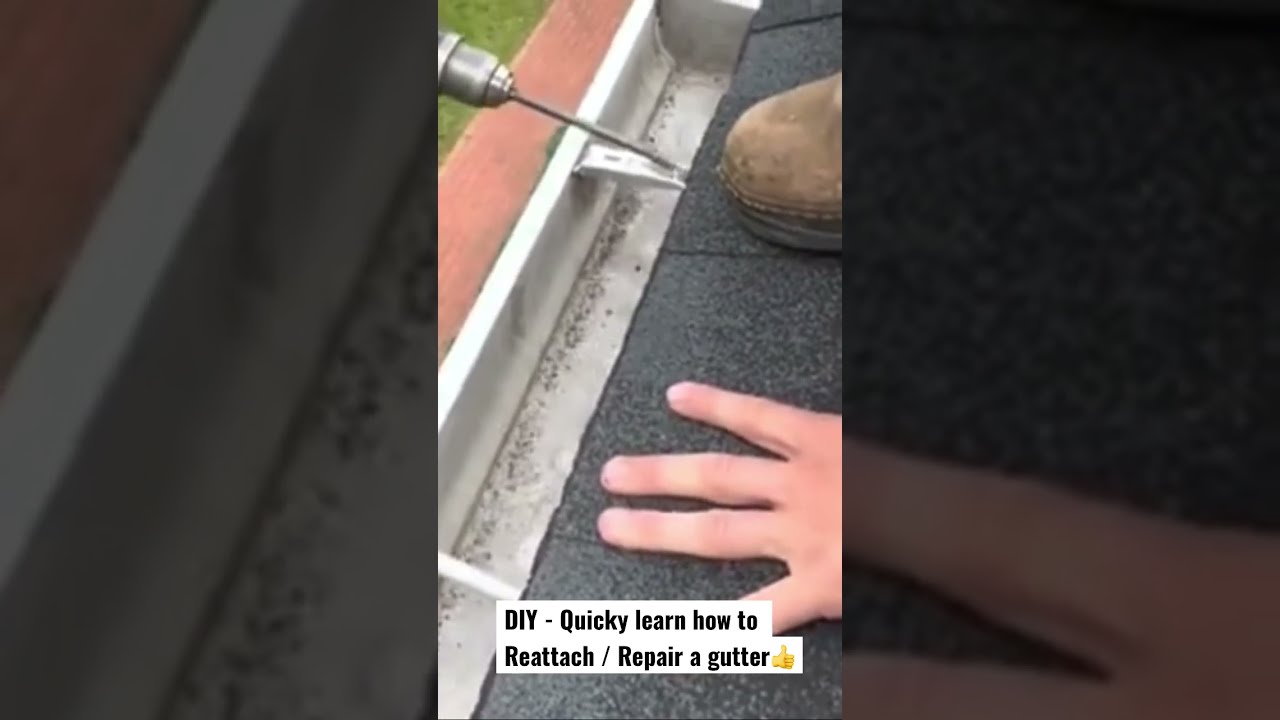
If there is evidence of framing damage, significant sagging or weakened connections, a structural engineer may be needed. Replacing damaged tiles or sheets alone will not resolve underlying structural deterioration.
Early Assessment Helps Limit Further Damage
South-East Queensland’s storm conditions make timely roof https://roofrestorationseq.com.au/roofing-ventilation-systems/ maintenance important. Clear drainage paths, address known leaks and arrange an inspection after significant hail. Early assessment helps separate minor surface damage from defects that could develop into costly hidden problems.
SEQ Roof Restoration Experts
Unit 6/25 Lerna St, Woolloongabba QLD 4102
(07) 3132 3236